
In today’s threat landscape, businesses require robust, integrated security systems that deter criminal activity while protecting digital assets. With the rise of automation, many reputable security companies are now employing advanced technologies to safeguard premises, employees, and data. This guide also encourages readers to visit the about-us section on our website for more insights. It explores key features, system types, selection criteria, benefits, pricing influences, future trends, and industry-specific solutions to help decision makers choose a comprehensive, reliable business security solution.
What Are the Key Features of the Best Security Systems for Businesses?
High-quality business security systems offer thorough protection across diverse environments.
How Do Intrusion Detection Systems Protect Business Premises?
Intrusion detection systems (IDS) monitor entry points and perimeters, alerting security personnel when unauthorized activity is detected. Using sensors, motion detectors, and acoustic devices, IDS can, for example, detect a surge in activity during off-hours and trigger immediate intervention. Integration with emergency response protocols ensures rapid communication with law enforcement.
What Role Does Video Surveillance Play in Business Security?
Video surveillance monitors premises in real time and records incidents as evidence. High-definition cameras with 4K resolution and infrared night vision enhance image clarity even in low light. Systems using digital or network video recorders store footage securely, while video analytics may detect unusual movements or recognize known offenders, reinforcing overall security.
How Do Access Control Systems Manage Business Facility Access?
Access control systems regulate movement within facilities using key cards, biometric scanners, or mobile credentials. By assigning access permissions to specific zones—such as server rooms—these systems lower insider threat risks. Features like multi-factor authentication and smart locks provide detailed entry logs for later review.
Why Is Cybersecurity Integration Essential for Business Protection?
Modern security systems connect to corporate networks to manage sensitive data. An integrated approach ensures smooth communication between physical and digital layers. For instance, if a physical breach occurs, cybersecurity protocols can isolate affected nodes, support remote monitoring, and enable centralized management against emerging threats.
How Does 24/7 Monitoring Enhance Business Security Systems?
Continuous monitoring by professional centers using advanced software ensures real-time detection and response to incidents. Immediate notifications allow rapid dispatch of emergency services, minimizing response times and reducing overall risk exposure.
Which Types of Security Systems Are Best Suited for Different Business Needs?
Choosing the right security solution depends on business size, industry, and specific risks. Options vary between wireless and wired systems as well as smart versus integrated solutions.
What Are the Advantages of Wireless vs. Wired Security Systems?
Wireless systems offer flexible installation and scalability without extensive cabling, ideal for multi-story facilities. Wired systems provide stable, interference-free performance, making them suitable for high-value inventory protection.
How Do Smart Security Systems Improve Business Protection?
Smart security systems leverage artificial intelligence and machine learning for predictive analysis and real-time responses. They adjust sensor sensitivity automatically and can integrate with building management systems to trigger lockdowns or notifications when needed.
What Are Integrated Security Systems and Their Benefits?
Integrated security systems combine intrusion detection, video surveillance, access control, and cybersecurity into one cohesive platform. This integration allows centralized management, increased monitoring efficiency, and reduced operational costs by streamlining workflows and consolidating alerts into a single dashboard.
How to Choose Security Systems Based on Business Size and Industry?
Tailoring a security solution requires assessing business size, industry-specific risks, and layout. Small businesses might choose scalable, affordable systems with remote monitoring, while larger enterprises typically need advanced systems with redundant backups. Industries such as retail, healthcare, manufacturing, and finance have unique requirements like specialized access controls or video analytics for crowd management.
How to Choose the Right Security System for Your Business?
Selecting the ideal system involves evaluating potential risks, existing infrastructure, and future growth plans.
What Security Threats Should Businesses Consider?
Businesses need to consider both physical and cyber threats, including break-ins, vandalism, data breaches, and sabotage. Metrics such as local increases in theft can help determine system scope.
How to Assess Your Business Security Needs Effectively?
A security audit should analyze facility design, employee access patterns, and past incidents. Professional evaluations help identify vulnerabilities such as insufficient lighting or outdated sensors, which should be addressed before system installation.
What Features Should You Prioritize When Selecting a Security System?
Prioritize features like real-time monitoring, high-resolution video, reliable alarms, robust access control, and cybersecurity integration. Specifications, such as 1080p or 4K video and biometric authentication, ensure effective and efficient incident response.
How to Compare Security System Providers and Solutions?
Compare providers based on reputation, customer service, reliability, and cost-effectiveness. Detailed evaluations of installation support, maintenance plans, and upgrade opportunities help in choosing a provider that meets operational needs.
What Are the Installation and Maintenance Considerations?
Consider compatibility with existing infrastructure, system scalability, and environmental factors. Routine maintenance, software updates, and hardware durability are essential to ensure long-term reliability and minimize downtime.
What Are the Benefits of Installing a Business Security System?
An effective security system protects assets, creates a safer work environment, and reduces operational risks.
How Do Security Systems Deter Crime and Protect Assets?
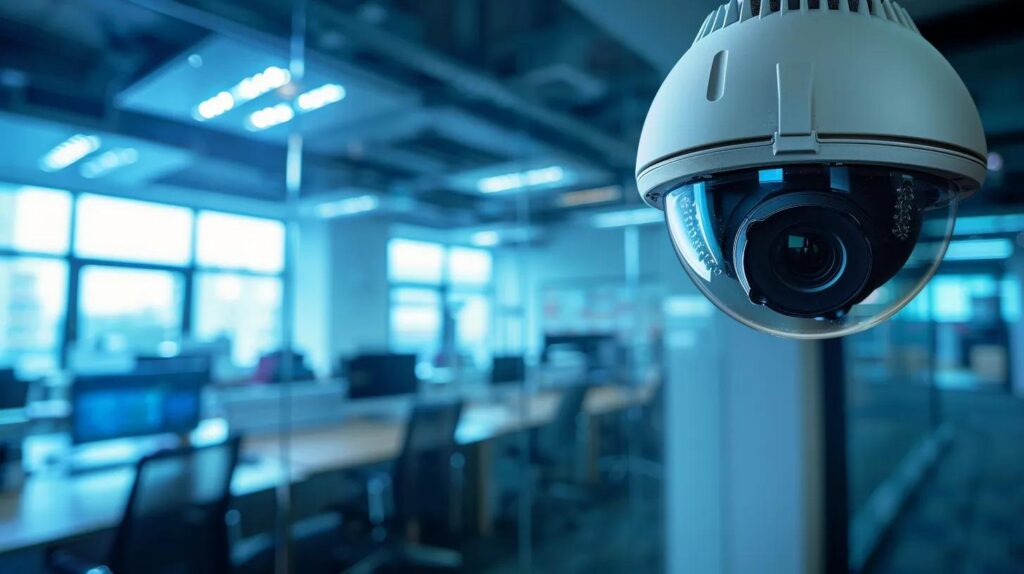
Visible cameras, alarms, and access controls deter criminals by increasing detection likelihood. Recorded evidence supports investigations and can significantly improve criminal conviction rates, protecting both physical property and intellectual assets.
In What Ways Do Security Systems Enhance Employee Safety?
Continuous monitoring reduces risks such as harassment and workplace accidents. Features like panic buttons and emergency callouts ensure rapid responses in hazardous situations, promoting a safer and more productive workplace.
How Can Security Systems Reduce Insurance Costs for Businesses?
Installing certified security systems can lead to lower insurance premiums. By reducing loss probabilities and demonstrating proactive risk management, businesses may see annual premium reductions and strengthen their negotiating position during policy renewals.
What Peace of Mind Does a Comprehensive Security System Provide?
A well-designed system gives both administrators and employees confidence in the continuous protection of assets and personal safety. Centralized monitoring and rapid emergency protocols allow business leaders to focus on core operations without constant security concerns.
How Much Does a Business Security System Cost and What Influences Pricing?
Pricing depends on system complexity, technological features, and installation requirements, making options available for varied budgets.
What Are Typical Price Ranges for Business Security Systems?
Comprehensive systems generally range from $2,000 to $20,000 based on the number of cameras, sensor types, and integration levels. Higher-end systems with advanced analytics and cloud storage may cost more.
How Do Features and Monitoring Affect Security System Costs?
Advanced features like wireless connectivity, 4K cameras, and cybersecurity integration increase costs but offer enhanced performance. Professional monitoring typically incurs ongoing fees, reflecting continuous support and rapid emergency response.
Are There Affordable Security Options for Small Businesses?
Yes, small businesses can choose turnkey solutions with essential monitoring, fewer cameras, and basic access controls. Modular systems allow for incremental upgrades as needs evolve.
How to Get Accurate Quotes and Financing Options?
Consult multiple reputable providers for proposals that detail both installation and recurring fees. Leasing or installment plans may ease upfront costs, and comparing independent risk assessments can guide cost-effective decisions.
How Are Advanced Technologies Shaping the Future of Business Security Systems?
Emerging technologies are combining physical and digital safeguards to create smarter, more efficient security systems.
What Is AI-Powered Video Analytics and How Does It Improve Security?
AI-powered analytics automatically detect anomalies in video footage, flag unauthorized entries, and perform facial recognition. This can lead to quicker incident detection and response.
How Does Cloud-Based Management Enhance Security System Control?
Cloud-based platforms centralize data from cameras, sensors, and access control systems, offering real-time insights and remote monitoring. This simplifies updates, troubleshooting, and scalable data storage.
Why Is Cybersecurity Integration Increasingly Important?
As security systems connect to corporate networks, robust encryption and regular updates become essential to protect against cyber attacks. Integrated cybersecurity safeguards data transmissions and prevents unauthorized access.
What Are the Trends in User Experience and System Scalability?
Trends include intuitive interfaces for mobile devices and modular, flexible configurations that allow easy expansion of security networks, leading to improved user satisfaction and reduced downtime.
What Industry-Specific Security Solutions Are Available for Businesses?
Different sectors face unique risks that demand tailored security approaches.
How Are Security Systems Tailored for Retail Businesses?
Retail systems often integrate video surveillance with point-of-sale data to monitor customer activity and manage inventory. Anti-theft sensors and real-time alerts help reduce losses and improve operational efficiency.
What Security Features Are Critical for Healthcare Facilities?
Healthcare security balances access control with patient privacy. Biometric access, secure visitor management, and high-resolution video ensure sensitive areas and patient records remain protected, while cybersecurity guards against data breaches.
How Do Manufacturing Businesses Benefit From Customized Security Systems?
Manufacturing requires protection for high-value assets and complex supply chains. Systems combine video surveillance with environmental sensors to monitor operational conditions and segment production areas from administrative spaces.
What Other Industries Require Specialized Security Solutions?
Finance, education, and logistics also need customized security. Financial institutions use strict access controls and continuous monitoring for sensitive data, educational institutions protect students with visitor management, and logistics companies employ GPS tracking and RFID monitoring to safeguard distributed assets.
Frequently Asked Questions
Q: What makes a security system truly comprehensive for businesses? A: A comprehensive system integrates intrusion detection, video surveillance, access controls, and cybersecurity measures to protect both physical and digital assets.
Q: How can businesses reduce insurance costs through security systems? A: Certified systems that deter crime and reduce loss exposure may qualify businesses for lower premiums and better risk management discounts.
Q: Are wireless security systems as reliable as wired ones? A: Yes, while wireless systems offer flexibility, wired systems can provide superior stability in high-interference areas.
Q: How quickly do integrated security systems react to incidents? A: With 24/7 monitoring, most systems notify security personnel within minutes to minimize damage.
Q: What future technologies will impact business security systems the most? A: Advancements in AI-powered analytics, cloud-based management, and integrated cybersecurity are expected to further improve system responsiveness and protection.
Final Thoughts
The evolution of business security systems is shifting toward integrated, intelligent solutions that protect both physical and digital assets. Focusing on advanced intrusion detection, video surveillance, and robust access control helps businesses deter crime and boost operational efficiency. As AI and cloud-based management technologies mature, organizations can look forward to even greater protection and cost optimization, ensuring a safe and secure working environment.