
What Are the Key Types of Residential Security Systems?
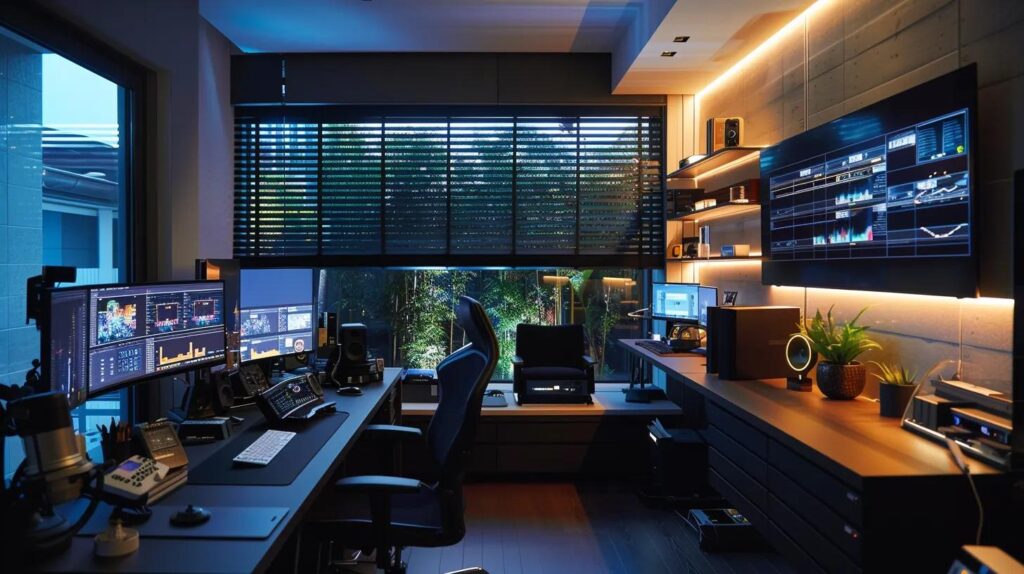
Residential security systems safeguard homes using sensors, alarms, and cameras to detect intrusions, monitor hazards, and send real-time notifications to mobile devices. Options include traditional wired alarms—which offer reliable, continuous connectivity—and modern wireless systems that enable flexible installation and smart home integration with devices like Amazon Echo or Google Nest, supporting automation for streamlined operations. Many systems also combine components such as fire alarm detection and carbon monoxide sensors to protect against multiple threats while integrating with professional monitoring plans provided by security companies for enhanced security.
How Do Wired and Wireless Security Systems Compare?
Wired systems, with physical cables, provide stable connectivity and are ideal for permanent installations in homes with dedicated wiring. In contrast, wireless systems use radio frequencies and cellular networks, making them easier to install without major modifications. Wireless options readily support additional sensors (door/window, motion) and smart devices. While wired systems may suffer less interference, wireless setups offer greater compatibility with modern devices and adaptability to changing home layouts. Homeowners should weigh installation costs, maintenance, and scalability when deciding between these systems.
What Are the Benefits of Smart Home Security Systems?
Smart home security systems integrate traditional protection with advanced connectivity features. These systems allow homeowners to receive real-time alerts, control door locks, move thermostats, and monitor cameras through mobile apps and voice commands via Amazon Alexa or Google Nest products. Many smart systems include AI-powered video analytics to rapidly identify potential threats, reducing false alarms. In addition to bolstering safety, these systems may help lower home insurance costs and increase property value by offering comprehensive, flexible protection.
Which Security Cameras Are Best for Indoor and Outdoor Use?
Indoor cameras are designed to be compact with night vision, two-way audio, and high-definition recording, often integrating with systems like Ring Alarm System or ADT. Outdoor cameras need robust, weather-resistant housing with motion detection, low-light capabilities, and features like dual-band Wi-Fi for continuous streaming. Experts recommend cameras with a minimum of 1080p resolution and infrared night vision, ensuring alerts are sent directly to mobile devices during emergencies.
How Does Professional Monitoring Enhance Residential Security?

Professional monitoring provides continuous 24/7 oversight by trained personnel who verify alarms and dispatch emergency services when needed. By linking directly with local authorities through advanced communication systems, these services ensure a rapid response to incidents such as burglaries, fires, or gas leaks. Homeowners utilizing professional monitoring benefit from greater safety and may even enjoy reduced insurance premiums over time.
What Services Are Included in 24/7 Professional Monitoring?
Professional monitoring services typically include real-time alarm verification, automatic alert escalation, and personalized support. Providers may also conduct remote video checks before contacting emergency services. Integrated emergency response procedures ensure that, in critical situations, fire departments or security firms are notified promptly for effective intervention.
How Does Emergency Response Integration Work?
Emergency response integration connects residential security systems directly to local police, fire, or medical services. When an alarm is triggered, digital maps and real-time tracking assist the monitoring center in prioritizing alerts and dispatching the right responders simultaneously, which minimizes response times and enhances overall safety.
What Features Should You Look for in a Residential Security System?
Homeowners should consider features like sensor accuracy, high-definition cameras with night vision, and motion detection capabilities. Two-way audio, wireless connectivity, and scalability—allowing for future expansion—are also important. Integration with platforms such as IFTTT or HomeKit improves functionality by connecting the security system with smart devices like door locks, smoke detectors, and thermostats, thereby simplifying control and enhancing overall protection.
Why Is Smart Home Integration Important for Security?
Smart home integration enables control of various security devices from a single interface, often accessible via mobile apps. This seamless connectivity ensures that a triggered motion sensor or other alerts automatically prompt actions like locking doors or activating floodlights, thereby improving response time and offering greater peace of mind.
How Do Mobile Apps Improve Security System Management?
Mobile apps serve as centralized hubs for security management. They allow homeowners to view live camera feeds, receive instant alerts, and adjust system settings remotely. Notifications regarding battery levels, sensor malfunctions, or triggered alarms ensure homeowners can respond promptly, while integration with smart home ecosystems enhances overall system responsiveness and user experience.
What Role Does AI and Video Analytics Play in Modern Systems?
AI and video analytics enhance security by distinguishing between normal activity and potential threats through object recognition, facial detection, and motion pattern analysis. These tools reduce false alarms and provide precise alerts, helping the system learn and adapt over time and offering a greater sense of security for homeowners.
How Can You Customize Residential Security Systems to Fit Your Needs?
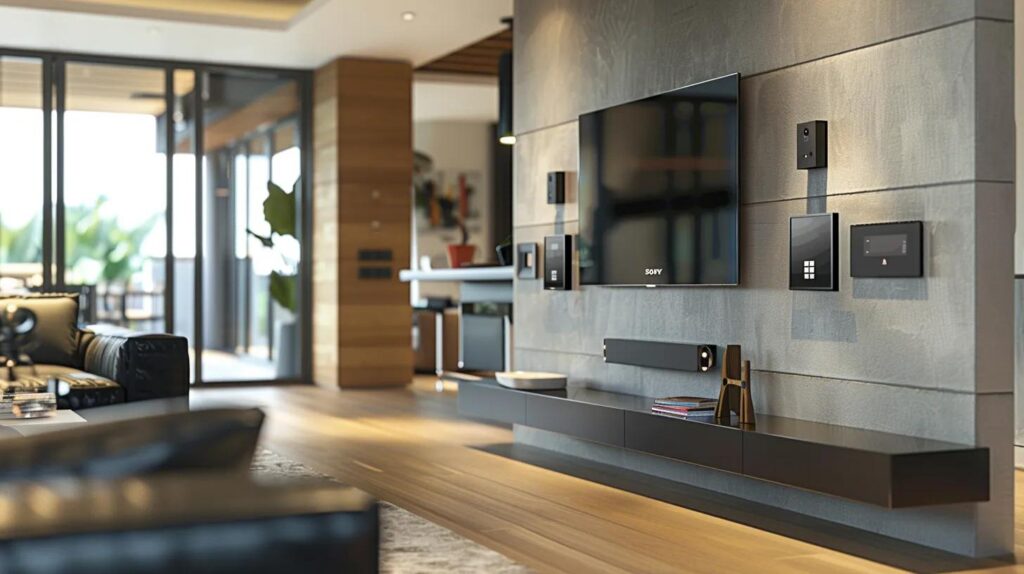
Many security systems are designed to be modular, allowing homeowners to tailor solutions based on budget, property layout, and specific safety concerns. Customizable packages may start with essential door and window sensors and expand to include outdoor cameras, environmental hazard detectors, and smart home devices. This flexibility helps homeowners prioritize features—whether advanced video analytics or environmental monitoring—to achieve a balanced, cost-effective system.
What Are Common Customizable Security Packages?
Custom packages typically offer: 1. Basic Package – Includes central control and perimeter sensors. 2. Standard Package – Adds indoor cameras and environmental sensors. 3. Premium Package – Provides full smart home connectivity with AI-driven video analytics. These options allow homeowners to select solutions that grow with their changing security needs.
How Does Budget Affect Security System Options?
Budget influences system quality and available features. Entry-level systems provide essential protection but may lack smart integrations like AI analytics or professional monitoring. Mid-range options strike a balance with wireless connectivity and mobile app alerts, while high-end systems offer state-of-the-art technology, comprehensive smart home integration, and 24/7 support. Comparing packages helps in finding an optimal system that meets both safety and budgetary requirements.
Which Additional Devices Can Enhance Your Security Setup?
Additional components such as smart doorbells, motion-activated lights, environmental detectors, and smart locks can enhance an existing system by covering vulnerabilities. Voice assistants like Amazon Alexa or Google Nest further simplify system control through voice commands, creating a more integrated and responsive environment.
What Are the Installation Options for Residential Security Systems?
Installation can be handled professionally or as a DIY project. Professional installation ensures optimal device placement and system integration with expert support and warranty coverage. DIY installation offers cost savings and flexibility but requires homeowners to invest time and technical know-how. The choice depends on technical expertise, budget, and personal preference for control over setup.
Should You Choose Professional Installation or DIY?
Professional installation provides expert placement and troubleshooting, ensuring a seamless and reliable system. DIY options are attractive for their lower cost and the ability to upgrade components gradually, with many modern systems featuring simple, step-by-step installation guides.
How Long Does Installation Typically Take?
Installation times vary by system complexity. Simple setups can be completed in under two hours, whereas more advanced systems with multiple components may require several hours. Professional installers typically offer faster, more efficient installation.
What Maintenance Is Required After Installation?
Routine maintenance, including battery checks, cleaning lenses, and updating software, is essential to ensure continued system performance. While professional monitoring services may include scheduled inspections, DIY systems require regular manual checks to maintain reliability and reduce false alarms.
How Do Residential Security Systems Improve Homeowner Peace of Mind?
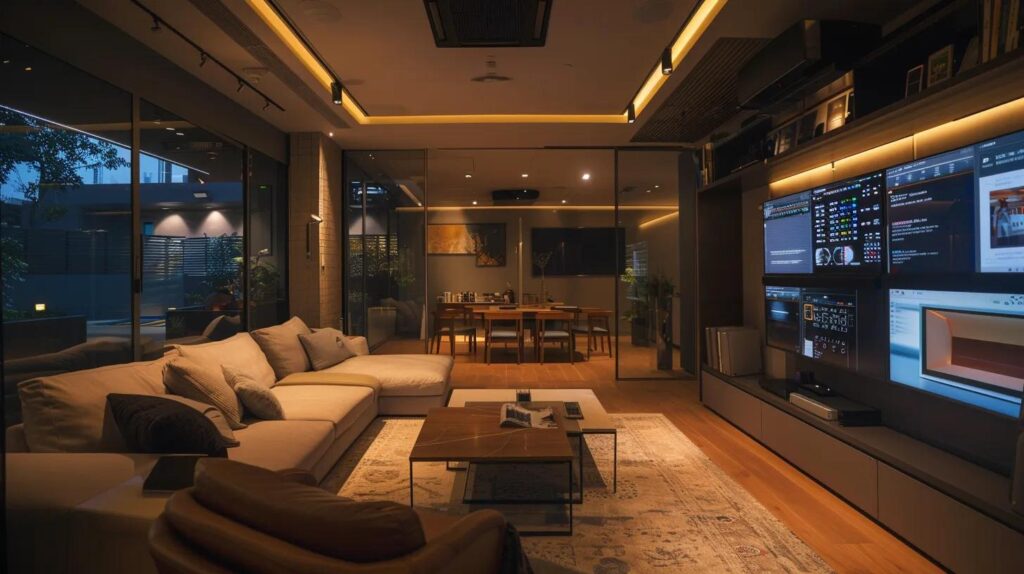
Residential security systems provide continuous protection and rapid alerts during emergencies, ensuring that help is always available. The integration of motion sensors, video surveillance, smart notifications, and mobile access gives homeowners the confidence that their property is safeguarded, even when they are away.
What Are the Common Benefits Reported by Users?
Users commonly report reduced anxiety, increased property value, and a heightened sense of security. The ability to monitor systems remotely and the reduction in false alarms due to advanced analytics contribute to these benefits, along with long-term savings on insurance premiums.
How Do Security Systems Affect Home Insurance and Property Value?
Security systems often lead to lower home insurance rates, with insurers offering discounts for properties with active monitoring. A well-installed system can also enhance resale value by demonstrating a high level of safety and modern home protection.
What Are the Top Brands and Options for Residential Security Systems in 2024?
In 2024, leading security brands such as ADT, Ring, SimpliSafe, and Vivint offer a wide range of systems from DIY setups to premium professionally monitored solutions. These providers use state-of-the-art sensors, video surveillance equipment, and user-friendly mobile interfaces to blend traditional security with modern smart home technology. High customer satisfaction is often linked to seamless integration with HomeKit, Google Nest products, and other smart platforms.
Which Brands Offer the Best Smart Home Integration?
ADT, Ring, and Vivint are recognized for their excellent smart home integration. Their systems work effortlessly with popular devices like Amazon Echo and Google Nest, using protocols such as Zigbee and Z-Wave to offer centralized control and real-time notifications.
What Are the Most Reliable Security Cameras and Sensors?
Top security cameras provide high-resolution imaging, night vision, and weather-resistant construction. Brands like Ring and Nest are well-regarded for offering reliable sensors and cameras that integrate smoothly with monitoring systems, ensuring continuous, effective surveillance.
How Do Pricing and Packages Compare Among Leading Providers?
Pricing varies considerably. Basic DIY packages can start at several hundred dollars, whereas professionally monitored systems might cost over a thousand dollars with monthly fees. The table below illustrates typical offerings:
Final Thoughts
Residential security systems are essential for protecting homes using advanced technology and professional monitoring. Whether opting for wired reliability or modern wireless smart home solutions, each system offers tailored features to meet diverse security needs and budgets. As technology evolves, integrated solutions like AI-driven cameras and smart home connectivity will continue to enhance safety, ensuring lasting peace of mind for homeowners.
Frequently Asked Questions
Q: What makes a smart home security system different from a traditional alarm system? A: Smart home systems integrate mobile control, AI analytics, and voice assistants, allowing real-time monitoring and remote management via connected devices.
Q: Is professional monitoring necessary for a DIY security system? A: While DIY systems offer flexibility and lower costs, professional monitoring enhances response times and ensures immediate action during emergencies.
Q: How do wireless systems ensure reliable connectivity? A: Wireless systems use cellular networks and secure protocols; however, they may be slightly more prone to interference than wired systems.
Q: Can security systems reduce home insurance costs? A: Yes, many insurers offer discounts for properties with comprehensive security systems due to the reduced risk of theft and damage.
Q: What features should be prioritized in video surveillance for outdoor areas? A: Key features include high resolution, weather resistance, infrared night vision, and tamper-resistant housing for effective outdoor surveillance.