
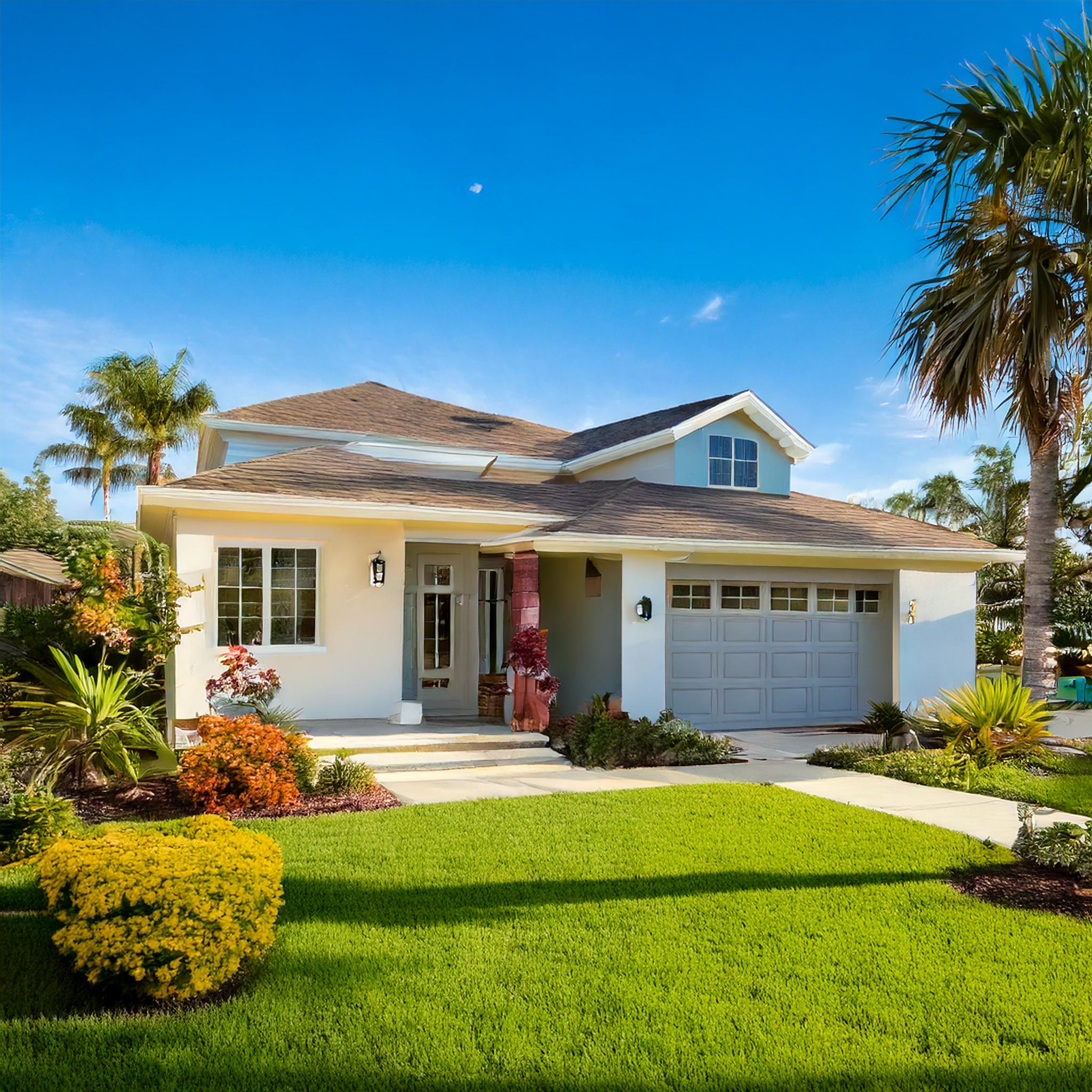
Hurricane season runs from June through November, and for Florida homeowners the busiest stretch is right now. Storm preparation usually focuses on shutters, water, and fuel — but the days surrounding a storm are also when homes are most vulnerable to break-ins, and when security equipment is most likely to be knocked offline. Here is how to make sure the system protecting your home keeps working when the weather turns.
Why home security matters more during a storm
A hurricane creates the exact conditions that make a home an easy target: neighbors evacuate, power and internet go down, police resources are stretched thin, and debris or broken windows can leave a house open. A monitored system is what keeps a set of eyes on the property when nobody is in the neighborhood to notice.
What to check before the storm arrives
- Test your backup battery. Panel batteries wear out over a few years. If yours has never been replaced, have it checked before a storm rather than after.
- Confirm cellular monitoring. A system that reports over cellular keeps talking to the monitoring center even when home internet fails.
- Charge camera batteries and make sure any battery-powered sensors have fresh cells.
- Bring loose outdoor equipment inside — cameras, doorbells, or solar panels that are not securely mounted can become debris.
- Update your emergency contacts with the monitoring center, especially if you are evacuating and someone else will be nearby.
- Photograph your valuables and store the photos in the cloud. It makes any insurance claim afterward substantially easier.
If you evacuate, leave the system armed
It is tempting to shut everything down before you leave. Don’t. An armed, monitored system is more valuable when the house is empty than at any other time. Let the monitoring center know you will be away and who to contact if they cannot reach you. If your system supports remote access, confirm the app works on your phone before you get on the road.
After the storm
Once it is safe to return, walk the property before you go inside. Look for broken windows, damaged doors, and anything that could have shifted a sensor out of alignment. Then verify that the panel is back on utility power and that the system still communicates with the monitoring center — a system that looks powered on is not necessarily reporting. Water intrusion is the most common cause of equipment damage we see after a storm, so pay attention to anything mounted low or on an exterior wall.
Frequently asked questions
Should I leave my security system armed when I evacuate?
Yes. Keep the system armed and professionally monitored while you are away. Evacuated neighborhoods are a known target for opportunistic theft after a storm, and monitoring continues to work as long as the panel has power and a cellular or backup connection.
Will my security system work if the power goes out?
Most professionally installed systems include a backup battery that keeps the panel running for a period after an outage, and cellular monitoring does not depend on your home internet. Test your backup battery before storm season rather than during it.
Do security cameras keep recording during a hurricane?
Cameras need power and a connection. Indoor cameras on a battery backup and cellular-connected systems have the best chance of staying online. Wi-Fi cameras stop uploading when internet service drops, though many continue recording locally.
What should I do with my system after the storm passes?
Check that the panel is back on utility power, confirm the battery is recharging, and test a sensor to be sure the system still communicates with the monitoring center. If anything looks wrong, call us and we will walk through it with you.
Get your system storm-ready
We serve homes and businesses across Florida. Talk with a local expert about backup power, cellular monitoring, and making sure your system is ready before the next storm.