

Home security alarm monitoring is a service designed to protect residences by continuously surveilling alarm systems and responding to emergencies. This article explains how it works, its key components, integration with smart home technology, benefits, and costs for homeowners in Port Saint Lucie and surrounding Florida areas.
What Is Home Security Alarm Monitoring and How Does It Work?
Home security alarm monitoring involves professional centers that oversee your home’s alarm system around the clock. When sensors detect an intrusion, fire, or other hazard, the system sends signals to a control panel which notifies a monitoring center. Trained operators then verify the alarm—often by contacting the homeowner or checking additional sensors—and dispatch emergency responders if needed. This rapid response helps minimize damage and enhance personal safety.
What Are the Key Components of a Home Security Alarm System?
The core components include door and window sensors, motion detectors, glass break detectors, and a control panel. Door and window sensors trigger alarms upon unauthorized openings, while motion detectors cover larger areas. Glass break detectors identify the sound of shattered glass, and the control panel links all elements while relaying alerts to the monitoring center.
How Does 24/7 Professional Monitoring Protect Your Home?
Professional monitoring services operate 24/7 to ensure immediate action when an alarm is triggered. With real-time alerts, emergency services are contacted swiftly, reducing the risk of burglary, fire, or other hazards. Continuous communication from monitoring centers also keeps homeowners informed during incidents.
What Happens When an Alarm Is Triggered?
Once an alarm is activated, sensors send signals to the control panel, which alerts the monitoring center. Operators then verify the situation through established protocols before summoning responders. This method reduces false alarms and ensures that genuine emergencies receive prompt attention.
What Are the Top Benefits of Home Security Alarm Monitoring?
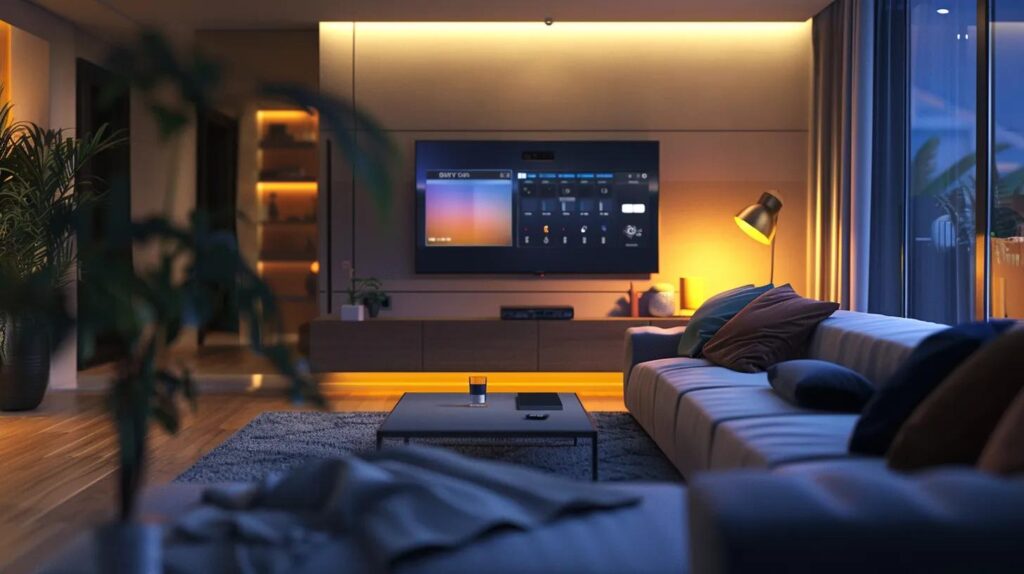
Home security alarm monitoring enhances safety and convenience by providing constant vigilance. It increases peace of mind, potentially lowers insurance rates, and creates a secure environment.
How Does 24/7 Monitoring Provide Peace of Mind?
Continuous professional oversight means your home is under constant surveillance—even when you are away. The prompt response to alarms alleviates worry by ensuring that emergencies are handled quickly.
How Does Rapid Emergency Response Reduce Risks?
A fast response from emergency services minimizes potential property damage and personal injury. This proactive intervention deters criminals, who are unlikely to target homes where help is rapidly dispatched.
Can Monitoring Lower Home Insurance Premiums?
Many insurers offer reduced premiums for homes with monitored alarm systems. Installing such a system not only secures a residence but also demonstrates a proactive approach to lowering the risk profile.
How Does Alarm Monitoring Deter Burglary and Other Threats?
The visible presence of alarm systems and constant monitoring serve as a deterrent to burglars and vandals. Knowing that a rapid emergency response is in place discourages criminal activity.
What Types of Home Security Alarm Systems Are Available?
Home security alarm systems vary to suit different settings and budgets. Choosing the right system is crucial for effective protection.
What Are Wireless Home Security Alarm Systems?
Wireless systems use radio frequency signals to connect sensors to the control panel. They are easier to install and expand, requiring minimal wiring and reducing installation costs.
How Do Cellular Alarm Systems Work and Why Are They Reliable?
Cellular systems use mobile networks to transmit alerts and are reliable even if landline connections fail. Backup cellular connectivity ensures uninterrupted communication during power or service outages.
What Are Hardwired Alarm Systems and Their Advantages?
Hardwired systems connect sensors and the control panel via physical cables, offering stable and secure connections with minimal interference. Although they often need professional installation, their durability makes them suitable for long-term security.
How Does Smart Home Integration Enhance Alarm Monitoring?
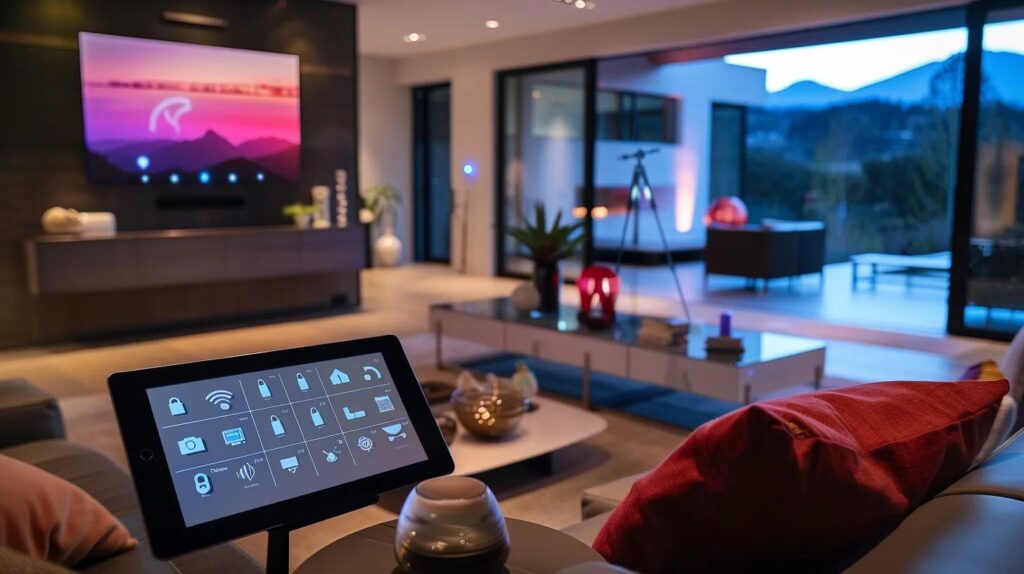
Smart home integration connects alarm systems with devices like smart locks, cameras, and thermostats to streamline both security and automation.
Which Smart Home Devices Are Compatible With Alarm Systems?
Modern alarm systems work with various smart home devices, including smart locks, video doorbells, and security cameras. These integrations add layers of security and convenience, such as real-time remote monitoring via mobile apps.
How Does Home Automation Improve Security and Convenience?
Integrating with home automation systems allows for automated responses like locking doors or turning on lights when an alarm is triggered. This enhances security by deterring intruders and providing added control even when homeowners are away.
What Are the Benefits of Remote Access and Mobile Control?
Remote access via smartphone apps enables homeowners to monitor live camera feeds and control their systems from anywhere. This constant connectivity contributes to overall peace of mind and flexible security management.
How Can Homeowners Prevent and Manage False Alarms?
False alarms can be a challenge, but several strategies help minimize their occurrence. Regular system maintenance and proper sensor calibration are key.
What Are the Most Effective Tips to Reduce False Alarms?
Homeowners should test and maintain their systems frequently, adjust sensor sensitivity, and ensure proper installation. Clearing obstructions and reducing overly sensitive settings further limit false triggers.
How Do Professional Monitoring Services Handle False Alarms?
Monitoring centers use verification protocols, such as contacting the homeowner or checking multiple sensors, to ensure that emergency services are only dispatched for real emergencies. This reduces both false alarms and unnecessary interventions.
What Are the Typical Costs and Plans for Home Security Alarm Monitoring?

Costs for alarm monitoring depend on the system type, installation fees, and subscription level. Homeowners can select plans that meet their budget while providing necessary security features.
What Pricing Models Are Common in Alarm Monitoring Services?
Typically, pricing models include a monthly fee, which may bundle equipment and additional features like video surveillance and smart home integration. Tiered plans offer options from basic monitoring to premium services.
How Do Contract Terms Affect Monitoring Service Costs?
Longer contracts may offer discounts, while short-term options provide flexibility with a slightly higher monthly rate. It’s important for homeowners to review cancellation policies and service commitments before deciding.
Are There Affordable Options for Different Homeowner Needs?
Yes, providers offer no-contract plans, introductory discounts, and scalable packages to suit various needs. Whether requiring basic monitoring or advanced integration, economical solutions are available.
Should You Choose DIY or Professional Home Security Alarm Monitoring?
Deciding between DIY systems and professional monitoring depends on technical comfort and security requirements.
What Are the Pros and Cons of DIY Alarm Systems?
DIY systems generally have lower initial costs and let homeowners manage installation via user-friendly apps. However, they may not offer the same comprehensive support and rapid intervention provided by professional monitoring, and technical issues can be more challenging to resolve alone.
What Are the Advantages of Professional Monitoring Services?
Professional services offer 24/7 expert oversight, rapid emergency response, and reduced false alarms through verified protocols. Despite higher monthly fees, they often lower insurance premiums and enhance overall safety.
How to Decide Which Option Is Best for Your Home?
The decision rests on factors like home size, technical skills, and security priorities. Larger homes or those needing continuous monitoring may benefit more from professional services, while smaller properties might opt for DIY systems with periodic professional reviews.
Frequently Asked Questions
Q: How quickly can emergency services be dispatched through home security alarm monitoring? A: Monitoring centers typically contact emergency services within minutes of a verified alarm signal, ensuring rapid response.
Q: Can professional monitoring systems integrate with smart home devices? A: Yes, many modern systems seamlessly integrate with smart locks, cameras, and other automation devices to offer remote control and enhanced security.
Q: What factors contribute to false alarms in home security systems? A: False alarms can result from sensor interference, improper calibration, or environmental factors, and regular maintenance helps mitigate these issues.
Q: Are there any cost benefits associated with installing a professionally monitored security system? A: Many insurers offer lower premiums for properties with professionally monitored systems due to the added layer of protection.
Q: How much does a typical home security monitoring service cost? A: Costs vary by features and contract terms, but basic services typically start at a competitive monthly rate with options to upgrade for enhanced features.
Final Thoughts
Home security alarm monitoring uses advanced technology and professional oversight to keep your residence safe 24/7. By understanding the system components, smart home integrations, and various cost structures, homeowners can make informed decisions to protect their property. With rapid response, accurate alarm verification, and integration with smart devices, these systems provide a resilient defense against threats. For Florida residents, professional monitoring enhances personal safety and brings benefits such as reduced insurance costs and increased peace of mind.